Homeowners across the region are discovering that a roof replacement or repair is rarely a small line item. It is one of the largest maintenance investments a property owner will make and the price tag can vary wildly depending on who provides the estimate. For anyone weighing a project right now, understanding how a roofing contractor builds a quote is the difference between a fair deal and an expensive surprise. This matters even more today because material costs have shifted in recent years, labor availability has tightened, and insurance companies are scrutinizing roofing claims more closely than they used to.
For homeowners and business owners in North Huntingdon Pennsylvania and neighboring Murrysville, the stakes are particularly practical. Weather patterns in this part of Pennsylvania, including freeze-thaw cycles, wind-driven rain, and heavy snow loads, put real stress on roofing systems every year. A poorly estimated job can mean underbudgeting for materials, missing hidden damage, or hiring a contractor who cuts corners to hit a low number. This article breaks down exactly how roofing costs are calculated, what should be included in a legitimate estimate, and how to compare quotes so you know you are getting accurate pricing from a qualified roofing contractor rather than a guess dressed up as a proposal.
By the end, you will understand the variables that drive roofing costs in North Huntingdon and Murrysville Pennsylvania, the red flags that signal a bad estimate, and the questions worth asking before you sign a contract. Whether the project is a small repair on a single-family home or a full replacement on a commercial building, the same core principles apply.
Why Roofing Estimates Vary So Much
Property owners often collect three or four bids and find the numbers vary by thousands of dollars. This is not necessarily a sign that someone is trying to overcharge. Roofing estimates depend on a combination of measurable factors as well as professional judgment and different contractors weigh those factors differently.
The biggest variable is the roof itself. Square footage, pitch, number of layers currently installed, and the complexity of the roofline including valleys, dormers, chimneys, and skylights all affect labor time and material waste. A steep, cut-up roof takes longer to work on safely and produces more scrap material than a simple gable roof of the same size. Material choice is the second major factor. Asphalt shingles, architectural shingles, metal panels, and flat roofing membranes all carry different price points and within each category there are economy, mid-range, and premium product lines.
Labor and overhead also play a role. A roofing contractor with a trained crew, proper insurance, and workers compensation coverage has higher fixed costs than an unlicensed crew working out of a truck. That difference shows up in the bid and it is usually worth paying for, since it reflects accountability if something goes wrong on the job site. Finally, local permitting requirements and disposal fees for tear-off debris add to the total and these can differ from one municipality to the next even within the same county.
The Core Components of a Roofing Cost Estimate
A transparent estimate from a qualified roofing contractor should break the project into clear categories rather than presenting a single lump number. Understanding these categories helps homeowners in North Huntingdon Pennsylvania evaluate whether a bid is complete or missing something important.
- Materials - This includes shingles or panels, underlayment, ice and water shield, flashing, ridge vents, and fasteners. A detailed estimate lists the brand and product line, not just shingles, because quality and warranty terms differ significantly between product tiers.
- Labor - Tear-off, disposal, and installation labor are usually priced together or broken out separately depending on the contractor. Steep or multi-story roofs typically carry a labor premium because they require added safety equipment and more time.
- Tear-off and disposal - Removing old roofing material and hauling it away is a real cost, especially if there are multiple layers already on the roof. Some estimates roll this into labor; others list it separately. Either way, it should appear somewhere in the paperwork.
- Flashing and ventilation upgrades - Old flashing around chimneys, skylights, and roof-to-wall intersections is a common source of leaks and a thorough roofing contractor will often recommend replacing it rather than reusing it. Proper attic ventilation is also frequently addressed during a full replacement, since poor airflow shortens the life of new roofing.
- Permits and code compliance -Many municipalities require a permit for roof replacement and code may dictate things like minimum layers allowed or ice barrier requirements in colder climates. This is particularly relevant for homeowners in North Huntingdon and Murrysville Pennsylvania, where seasonal freeze-thaw cycles make ice and water shield installation a meaningful line item rather than an optional upgrade.
- Cleanup and warranty - The estimate should specify what cleanup includes such as magnetic nail sweep, as well as gutter clearing and what warranty coverage applies to both materials and workmanship.
What Drives Price Differences Between Contractors
Once you understand the basic components, it becomes easier to see why two estimates for the same roof can differ by a wide margin. Some of the gap comes down to legitimate differences in quality and scope. A bid that includes new flashing, upgraded underlayment, and proper ventilation will cost more than one that simply swaps old shingles for new ones without addressing the systems underneath.
Some of the gap comes from how a company is run. A roofing contractor that carries full insurance, pays for ongoing crew training, and stands behind its work with a real workmanship warranty has overhead that a fly-by-night operation does not. That overhead is not waste; it is the cost of accountability. When a bid comes in dramatically lower than the others, it is worth asking what was left out, because materials and labor rates do not vary enough on their own to explain a 30 or 40 percent gap.
Seasonal demand also affects pricing. Spring and early summer are the busiest months for roofing work in this region and scheduling pressure can push prices up slightly compared to the slower late fall and winter months. Property owners who are flexible on timing sometimes have more room to negotiate.
Comparing Quotes the Right Way
Side-by-side comparison only works if the bids are structured similarly. Homeowners should ask each roofing contractor for a written, itemized estimate rather than a verbal quote or a single-page price sheet. At minimum, the estimate should specify the exact product being installed, the scope of tear-off, whether decking repair is included if rot is found, the warranty terms for both materials and labor, and the estimated timeline.
It is also worth asking each contractor how they measured the roof and whether they physically inspected the attic and decking, or only measured from the ground or satellite imagery. A visual-only estimate can miss structural issues that surface once tear-off begins, often leading to change orders and unexpected mid-project costs. A contractor who walks the roof and checks the attic for moisture, insulation condition, and ventilation can provide a more reliable upfront number.
Property owners should also confirm licensing and insurance directly rather than taking it on faith. Ask for a certificate of insurance and confirm it is current. This single step eliminates much of the risk associated with hiring an unqualified crew.
Regional Considerations for North Huntingdon and Murrysville
Roofing needs are not identical everywhere and local climate as well as housing stock matter. In the North Huntingdon Pennsylvania area, many homes were built decades ago with roofing systems that were never updated to modern ventilation or ice barrier standards, which means a full replacement often uncovers issues that a simple shingle swap would not address. Because of this, an accurate estimate from a ;roofing contractor in North Huntingdon should account for the possibility of deck repair or ventilation upgrades, even if the visible shingles look like the only problem.
The same is true a short drive away in Murrysville Pennsylvania, where similar housing ages and similar weather exposure create comparable roofing challenges. A homeowner requesting a quote from a roofing contractor in Murrysville should expect the estimate to address attic ventilation and ice and water shield placement along the eaves, not just shingle replacement, since these details determine how long a new roof lasts in this climate.
Businesses in both communities face an added layer of complexity. Commercial roofing, particularly flat or low-slope systems, is priced and inspected differently than residential sloped roofing and a commercial property owner should confirm that any roofing contractor bidding the job has specific experience with membrane systems, not just shingles. Whether the property sits in North Huntingdon Pennsylvania or neighboring Murrysville, the underlying advice is the same An estimate is only as good as the inspection behind it and roofing systems in this region take a real beating from freeze-thaw cycles and wind, which should be reflected in the scope of work quoted.
Red Flags That Signal an Unreliable Estimate
A handful of warning signs tend to show up in estimates that later cause problems. Treat a quote with no breakdown of materials, labor, and disposal with caution, since vague pricing often hides scope that gets added later as a surprise. Pressure to sign immediately, especially paired with a discount that expires the same day, is a classic high-pressure sales tactic rather than a genuine limited-time offer.
Requests for a large upfront deposit before any material has been ordered are another concern. Reasonable deposit structures exist, but a contractor asking for the full balance before work begins leaves the property owner with little leverage if the job goes poorly. Similarly, a contractor who cannot produce proof of insurance or suggests filing an insurance claim for damage that was not actually storm-related is taking a risk that ultimately falls on the homeowner, not the company.
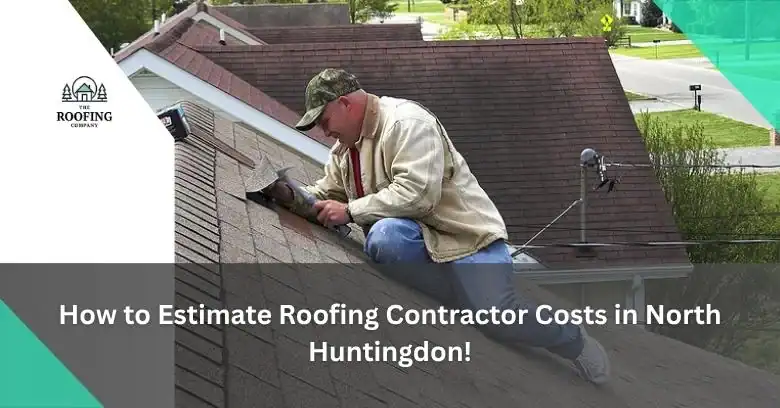
Finally, an estimate that never involves someone physically getting on the roof is a gap worth questioning. Drone photos or satellite measurements can support an estimate, but they should not replace a hands-on inspection, particularly for older homes where decking condition is uncertain.
Conclusion
Accurate roofing cost estimates come down to insisting on detail. A trustworthy roofing contractor will walk the property, explain each line item, and put material specifications and warranty terms in writing rather than offering a rough number over the phone. Property owners in the North Huntingdon Pennsylvania area who take the time to compare itemized bids, verify insurance, and ask about attic ventilation and decking condition put themselves in a much stronger position than those who just pick the lowest number on the page. Before committing to any contract, request a written estimate, confirm the scope in detail, and make sure the timeline as well as warranty terms are spelled out clearly so there are no surprises once work begins!
Key Takeaways
- A legitimate roofing estimate should be itemized into materials, labor, tear-off and disposal, flashing, ventilation, permits, and warranty terms rather than presented as a single lump sum.
- Price differences between bids often reflect real differences in insurance coverage, crew training, and material quality, so the lowest bid is not automatically the best value.
- Homes in North Huntingdon and Murrysville Pennsylvania often need ventilation or ice barrier upgrades during a full roof replacement because of the regional climate and older housing stock.
- Always confirm that a contractor physically inspects the roof and attic before finalizing pricing, since ground-only or satellite-based estimates can miss decking damage.
- Verify licensing and current insurance directly by requesting documentation rather than relying on a contractor's verbal assurance.
- Be cautious of same-day pressure discounts, vague pricing, and requests for full payment before materials are ordered.
Frequently Asked Questions
How much should a roofing estimate cost?
Most roofing contractors, including those serving the North Huntingdon Pennsylvania region, offer estimates at no cost as part of the sales process. If a company charges a fee to provide a quote, ask what that fee covers and whether it is credited toward the job if you move forward.
Why do roofing quotes vary so much between contractors?
Variation usually comes from differences in material quality, scope of work such as flashing and ventilation upgrades, and the contractor's overhead for insurance and trained labor. A detailed, itemized estimate from a qualified roofing contractor makes it much easier to see exactly what is driving the price difference.
Should I always choose the lowest bid?
Not necessarily. A bid that is significantly lower than others may be missing scope, using lower-grade materials, or coming from a contractor without proper insurance. It is safer to compare itemized estimates line by line than to choose based on the total amount alone.
What should be included in a roofing contract before work starts?
The contract should specify exact materials and product lines, the full scope of tear-off and disposal, warranty terms for both materials and labor, payment schedule, and estimated project timeline. Any verbal promises made during the sales visit should also appear in writing.
Do older homes in this area typically need more than just new shingles?
Often, yes. Many homes in North Huntingdon and Murrysville Pennsylvania were built before current ventilation and ice barrier standards, so a full roofing replacement frequently uncovers the need for attic ventilation upgrades or ice and water shield installation along the eaves.
How can I verify a roofing contractor is properly insured?
Ask the contractor for a certificate of insurance and confirm the policy is active, ideally by contacting the listed insurance provider. This step protects the property owner from liability if an accident occurs on the job site during roofing work.
What factors have the biggest impact on roofing contractor costs?
Roof size, pitch, material selection, labor, tear-off requirements, and the condition of the underlying decking can all significantly affect the final cost. A roofing contractor should evaluate these factors during an inspection rather than estimating the project based only on the home's square footage.
Does the type of roofing material affect the overall cost?
Yes. Asphalt shingles are generally more budget-friendly, while metal, tile, and other specialty roofing materials can cost more to purchase and install. Ask the roofing contractor to explain the expected price, durability, maintenance needs, and warranty differences for each material you are considering.
How does roof size affect the cost of hiring a roofing contractor?
Larger roofs generally require more materials, labor, tear-off, and disposal, so total project costs typically increase with roof size. Of course, square footage alone does not determine the price because roof pitch, complexity, accessibility, and the existing roofing system can also influence the estimate.
Can damaged roof decking increase the final roofing cost?
Yes. Roof decking can sometimes be hidden beneath the existing shingles and may not be fully assessable until the old roofing materials are removed. If the decking is deteriorated or damaged, a roofing contractor may need to replace affected sections, adding labor and material costs to the original estimate.
How can I tell whether a roofing estimate is realistic?
Compare several detailed estimates and look for reasonable consistency in both pricing and scope. If one roofing contractor's bid is dramatically higher or lower than the others, ask the company to explain the difference and verify that it includes all necessary materials, labor, disposal, flashing, ventilation, and other work.