Thinking through Roof Replacement in Westmoreland County Pennsylvania?
Our roofers can describe what to expect on the day the work begins, and answer your questions as they come up
Reach us at 412-858-8858 before another winter sets in
Starting Over From the Deck Up: the Short Version
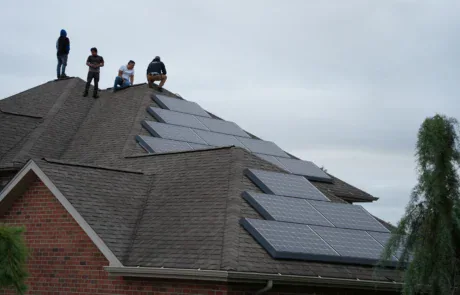
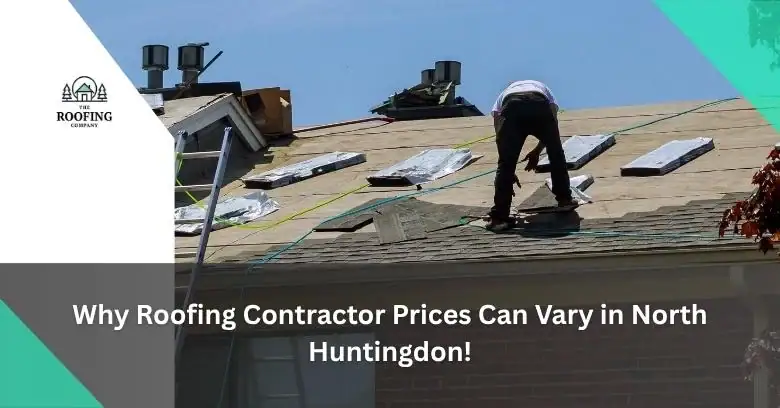
A roof replacement is a complete rebuild of the roof's outer layers, from the sheathing upward, so the scope matters as much as the material. Roof Replacement reaches every slope and every edge of the house, and that calls for a plan, and a good roofer lays out each step in order.
What an Aging Roof Looks Like: What Roofers Look For
- Shingle corners that curl or cup can mean the shingles are no longer shedding water well.
- A stain spreading across ceilings in more than one room is the kind of finding that points toward a deck inspection.
Age alone does not decide it, because a well-made roof in good condition can outlast an average one by years, and an honest assessment looks at the whole surface. People start looking at Roof Replacement after repeated leaks, widespread cracking or a deck that feels soft, and a roofer should show you the evidence.
Removing the Old Roof First: the Trade-Offs
A tear-off strips the roof to the deck, so the boards underneath can be seen and any rot can be repaired, and snow load makes extra weight worth thinking about. Ask whether Roof Replacement includes removing every layer of old roofing down to the boards, and you should hear about layers before work begins.
Checking the Roof Boards, Board by Board
Once the old shingles are gone, the deck is walked and probed for soft, stained or damaged boards, and the roofer should tell you before extra work is done. Ask how Roof Replacement deals with damaged decking and how any extra boards are measured and explained, and expect photographs of anything found.
Each Layer and Its Job: Materials in Sequence
- A self-sealing ice and water barrier along the eaves is a layer worth asking about by name.
- Roofing paper or synthetic wrap gives a second line of defense under the covering.
- Drip edge flashing protects the edge of the deck from moisture.
- Flashing around dormers and roof penetrations should be named in the proposal.
- Rubber or metal collars on the vent stacks are small parts that prevent large problems.
- Continuous vents along the ridge work with insulation to limit ice dams.
A roof covering is only as good as the layers beneath it, since failures there tend to show up as leaks. A complete Roof Replacement proposal names the barrier, the underlayment, the flashing and the ventilation, and any layer missing from the list is worth asking about.
Roofing Materials for Snow-Country Houses: Questions to Settle
Slate and clay tile are heavy and long-lived, and they need a roof structure built to carry them, and the slope of the roof narrows the list. Decide what you want from Roof Replacement before you compare materials, then ask which coverings suit your roof, and the sample you hold should look like the finished roof.
Seasons, Snow and the Replacement Calendar, From Spring to Fall
Rain, snow and strong wind can pause the job, and a roof should never be left open to the weather overnight, and a short delay for a dry day is normal. A sound plan for Roof Replacement covers every section that is opened up, every day it is opened, and ask who decides when it is too wet to work.
Noise, Nails and Neighbors: Simple Preparations
Expect crews on the roof, a dumpster or trailer in the driveway and material stacked near the house, and the driveway may be unavailable for a day or two. The crew handling Roof Replacement should lay tarps over plants and keep walkways clear as they work, and ask how the crew keeps nails out of tires.
Older Homes Raise Different Questions: Access and Safety
Rowhouses and attached homes often have shared walls, flat sections and box gutters that need careful detailing, and the proposal should say how access is handled. Roof Replacement on a historic or attached home calls for patience and a plan for flat sections and box gutters, so ask for time to review it.
Gutters, Skylights and Attic Work: What Makes Sense
Old gutters that sag, pull away or hold standing water are easier to replace or reset while crews already have ladders and staging up, and a roofer can tell you which jobs belong to another trade. Planning ahead for Roof Replacement lets you decide which extras belong in the same visit, and a short list of optional items is easy to review.
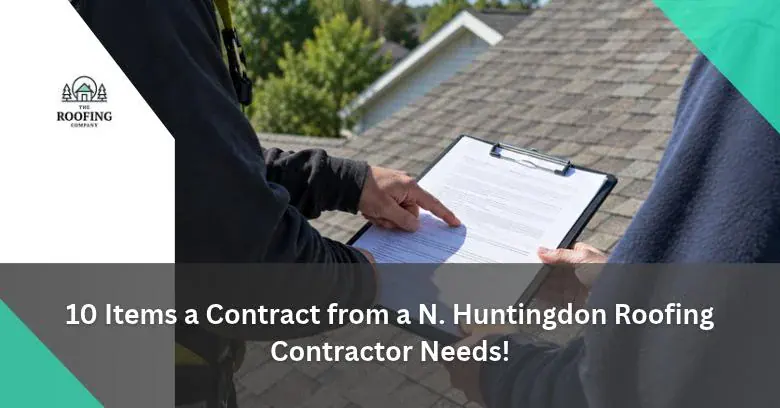
Reading a Roofing Proposal Closely, Item by Item
- How many layers of old roofing are there to remove, and who checks the deck afterward?
- Is each layer named, including the barrier, underlayment and flashing, and are they the same ones in every proposal?
- How will rotted or damaged boards be found and handled, and will I see photographs?
- Will intake and exhaust vents be balanced, and what difference should I notice?
- Who decides when conditions are too poor to work, and what gets covered first?
- Where will the dumpster and trailer go, and who do I contact with concerns?
A proposal that is vague about layers, ventilation and flashing leaves too much to chance, and put your questions in writing. Any good discussion of Roof Replacement ends with a written scope you understand, and a short wait for a clear answer beats a rushed choice.
Finishing the Job and Checking the Work: Last Checks
Before the crew leaves, the roofer should confirm the work is complete and point out what was done, and keep the photographs where you can find them. The end of Roof Replacement is a good time to ask how to care for the new roof through the seasons, and what signs to watch for.
Ready to Plan Your Next Roof, and Ask Anything
If your roof is showing its age, an honest look from a roofer is a sensible first step; call 412-858-8858 and tell us what you have noticed, and we will answer your questions plainly.
Verified

Verified
Verified
Verified