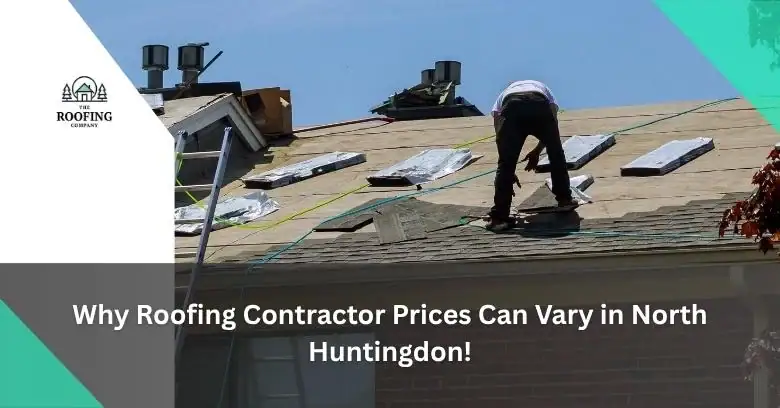
Getting ready for Roof Replacement in North Huntingdon Township Pennsylvania?
Our roofers will lay out what each stage of the job looks like, and leave the final choice with you
Contact us at 412-858-8858 to plan a visit
A New Roof Is a Project, Not a Purchase, and What Stays
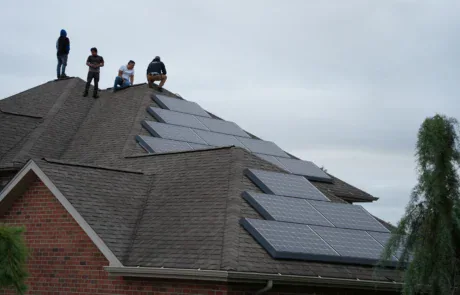
Replacing a roof means removing the old covering, inspecting what is underneath and building a new weatherproof system on top, so the job touches every slope of the house. Every Roof Replacement project begins with a decision about whether the roof can still be saved, and a good roofer lays out each step in order.
Clues That Point Toward a New Roof: Warning Signs
- Shingle corners that curl or cup often point to a surface near the end of its useful life.
- Damp or compressed insulation in the attic may mean water has been getting in for some time.
A roof that has had many repairs may still be sound, or may be held together by patches, and the pattern of damage tells the story. Roofers raise Roof Replacement when the surface is worn out across most of the roof, not just one corner, and a roofer should show you the evidence.
Why the Old Shingles Usually Come Off: the Trade-Offs
Putting new shingles over old ones saves effort at first but hides the condition of the deck, and the choice should be discussed openly. Make sure the proposal for Roof Replacement states how many layers of old roofing will be removed, and the answer affects the weight on the roof.
The Structure Beneath the Roof: Why It Is Checked First
Plywood and plank sheathing can be sound for most of the roof and weak in a few spots, and those boards are cut out and replaced before new materials go down. A fair approach to Roof Replacement is to agree in advance how hidden deck repair will be discussed, and ask how you will be told.
Building the Roof Back Up: What Goes Where
- Ice and water membrane in the valleys goes down before anything else touches the lower deck.
- Roofing paper or synthetic wrap should lie flat and overlap correctly.
- Metal drip edge at the eaves and rakes is installed new on a complete job.
- New flashing at chimneys, walls and skylights should be named in the proposal.
- New vent collars should never be reused under a new covering.
- Ridge vents should be checked as part of every reroof.
A roof covering is only as good as the layers beneath it, because they will wear out long before the new surface does. Roof Replacement that reuses worn flashing is storing up a leak for later, and it helps to compare the same details across proposals.
Roofing Materials for Snow-Country Houses: Durability and Maintenance
Asphalt shingles are the most common covering, and they come in basic and thicker layered forms, and the right choice depends on the house and the budget you set. The material chosen for Roof Replacement should match the slope, the structure and the way you want the roof to age, and ask what each option needs for upkeep.
The Weather Window for a New Roof: Dry Days Decide
Pittsburgh schedules fill quickly in good weather, so a visit well before the busy months helps, and the start date moves with the forecast. A sound plan for Roof Replacement covers every section that is opened up, every day it is opened, and ask what protection is used if the work is paused.
Preparing the House and Yard, From Driveway to Attic
Roof work is noisy, and the house shakes a little as the old shingles are pried loose and new ones are nailed down, and pictures on the walls may rattle. Roof Replacement ends with a thorough cleanup, including a magnet pass for nails that fell in the grass and driveway, and you should hear how the crew handles debris.
Complex Roofs Around Pittsburgh: Details to Discuss
Older slate, clay and cedar roofs may be worth repairing or matching rather than covering with something new, and the details are where a complicated roof is won or lost. For a tricky house, Roof Replacement starts with a careful look at access, pitch and the number of penetrations, so ask for time to review it.
Small Upgrades Around the Roof Edge: What Makes Sense
Chimney masonry that is crumbling at the top or around the crown is better mended before new flashing goes on, and each extra should be written into the scope separately. With Roof Replacement, the roof is already exposed, so nearby repairs can be done without a second round of access, and an itemized scope keeps each extra clear.
Comparing Proposals Side by Side: Getting Specifics
- Are the old layers coming off or staying on, and is that the same in each proposal?
- Will the products be named, not just described, and how are substitutions handled?
- What is the plan if the deck is softer than expected, and how will I hear about it?
- How does the plan deal with attic heat and moisture, and how will it be confirmed?
- How will the open roof be protected if the weather turns, and who calls me?
- How will landscaping and siding be protected, and who do I contact with concerns?
The headline of a proposal tells you little unless the work behind it is spelled out, and put your questions in writing. Any good discussion of Roof Replacement ends with a written scope you understand, and a roofer who is sure of the work will not mind.
Wrapping Up a New Roof: Inspection and Cleanup
Keep the paperwork, material names and photographs from the job, since they are useful if questions come up later, and a short follow-up after the first big storm is reasonable. Roof Replacement is complete only when the roof is clean, sealed, inspected and explained to you, and when a check makes sense.
Talk Over Your Roof in North Huntingdon Township Pennsylvania: Describe What You See
Roofs do not improve with age, so it helps to know where yours stands before the next winter; reach us at 412-858-8858 to plan a visit, and we will explain what we see.
Verified

Verified
Verified
Verified